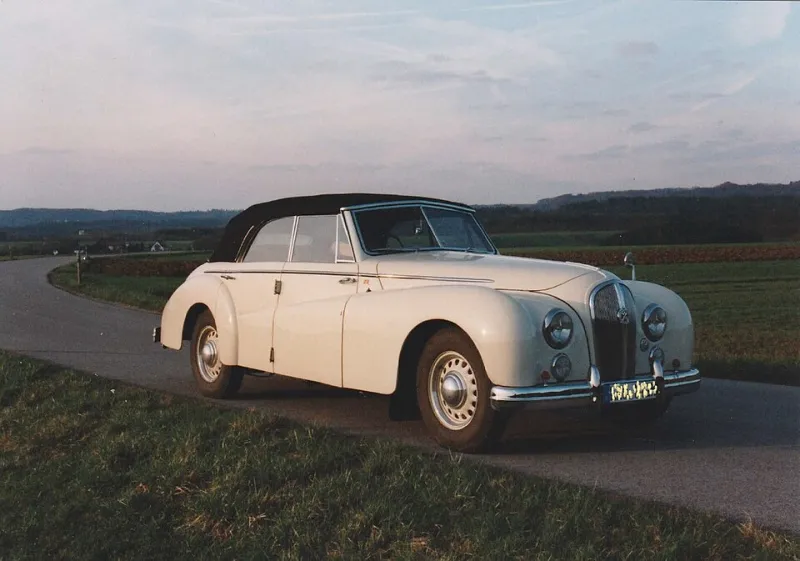
Damp, Salt and Silence: Parking Up the E-Type for Winter 2026/27
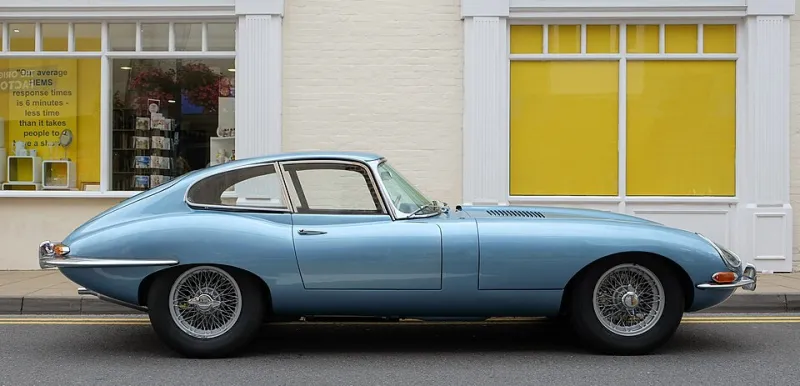
Photo: DeFacto, CC BY-SA 4.0, via Wikimedia Commons
On the morning of 7 November 2026, the sky over the garage is the colour of old brake fluid and the forecast is promising drizzle followed by more drizzle. The E-Type is under its breathable cover, still dusty from the last dry run, and I have reached the annual fork in the road: SORN it and let it sleep, or keep it taxed, insured and theoretically usable through the damp months ahead. This is the Coventry Spanner winter lay-up plan for 2026/27 — not a concours instruction manual, just what I do in a soggy British garage.
First, the DVLA Question
If the car is coming off the public road, SORN is the sensible default. Tell DVLA, park it somewhere private, and stop taxing it. You do not need an MOT for a SORN vehicle, but you also cannot use the tax loophole as an excuse to nip to the shops. If you want to keep it taxed and insured for the odd dry weekend, then the MOT or the historic exemption needs to be in order, and you need to be honest about whether the car is actually roadworthy. Over 40 years old, many E-Types qualify for MOT exemption, but that is not the same as a free pass on maintenance. Insurance is the other half of the equation: a laid-up policy with fire and theft cover can be cheaper, but check agreed value, garaging conditions and whether you are allowed to start it occasionally. Ring your broker before you cancel anything. Continuous insurance rules and SORN do not always behave the way blokes on forums think they do.
Battery: Charge It, Don’t Cook It
Modern lead-acid batteries hate sitting half-charged. A smart conditioner such as a CTEK or Optimate is worth its money; a cheap unregulated charger is a battery cooker. I take the battery out, clean the terminals, check the vent tube if it lives in the boot, and leave it on a conditioner in the shed rather than in a freezing garage. If yours is a conventional wet battery, check the electrolyte before you put it away. Do not leave it on a cold concrete floor and call that maintenance. It is storage, not witchcraft.
Tyres, Flat Spots and the Handbrake
An E-Type that sits for months will develop flat spots, especially on soft modern rubber. Overinflate to the high side of the handbook figure, put the car on tyre savers or offcuts of carpet, and leave the handbrake off. Chock the wheels and leave it in gear. Wire wheels are tough but not immune to boredom, so check spoke tension and pressures before the lay-up. If you have a set of old wheels, this is the moment to decide whether they are for refurbishment or the skip.
Air, Damp and the Garage
The worst thing you can do is wrap a damp car in a plastic sheet and call it protected. That is a terrarium for rust. Use a breathable cover, keep the garage ventilated when the weather allows, and consider a dehumidifier with a hose drain if your garage is a concrete swamp. Do not seal every gap and then wonder why the windows drip. Air movement matters. So does keeping the car clean: road salt and mud hold moisture against metal, so wash the arches and the underside before it goes into hibernation.
The Rust Traps That Matter on an E-Type
The sills are structural, not decorative. Water collects in the sill drains, the floors sit under mats that never dry, and the boot floor and spare-wheel well are brilliant at gathering condensation. Check the boot seal, the drain tubes around the rear hatch or soft-top, and the lower wings. If you have a tiny bubble on the sill, do not prod it with a screwdriver and pretend it is a scab. Treat it as a warning. Before lay-up, clear the drains, vacuum out the boot, and apply a proper cavity wax such as Bilt Hamber or Dinitrol where it belongs. Waxoyl has its fans, but preparation matters more than the brand on the tin.
Fluids, Seals and a Final Walk-Around
Fresh antifreeze, clean oil, a brake fluid check and a fuel stabiliser if the tank is going to sit for months. Leave the handbrake off, crack a window if the garage is dry, and put a few mouse traps around the car. Do not start it every fortnight — you will just create condensation in the exhaust and the crankcase. Let it sleep. In spring, turn it over by hand, check the fluids, pump the brakes and take it gently to an MOT station if that is what the law requires.