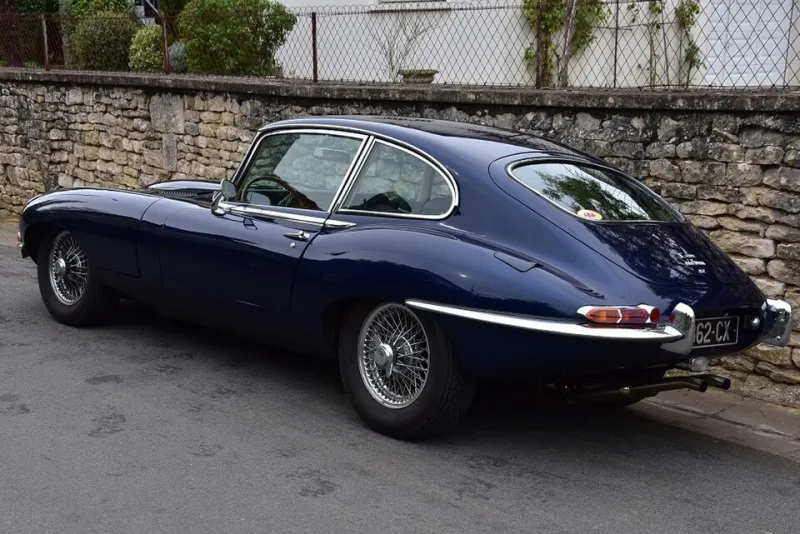
Historic Class, Modern City: The Paperwork That Gets an E-Type Into 2026’s Clean Air Zones
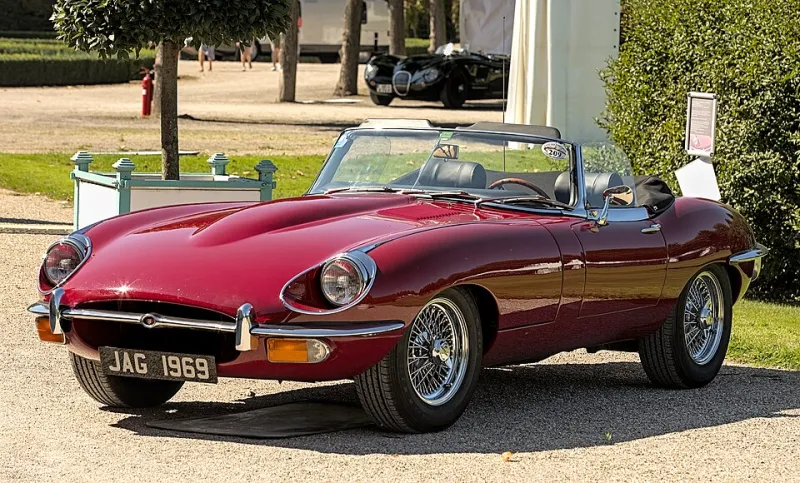
Photo: Alexander Migl, CC BY-SA 4.0, via Wikimedia Commons
Earlier this autumn a mate rang me from a kerbside in Hackney. His Series 2 fixed-head had just collected a PCN, and he was waving the V5C at a traffic warden as if it were a diplomatic passport. The car is older than the clean air rules, it is MOT-exempt, and he had assumed all of that made it automatically exempt from the London charge. It did not. The V5C still listed the taxation class as PLG. The car was old enough to know better; the paperwork was not.
That is the thing about ULEZ and the UK’s Clean Air Zones in 2026. The exemption for a genuine historic vehicle is real, and for an E-Type it is usually free. But it is not a vibe. It is a tax class on a DVLA record, and if that record is wrong, the cameras will treat your Coventry-built icon like any other pre-Euro whatever. So here is the spanner-side guide to getting the admin right before you point the bonnet at a city centre.
The exemption is not a sticker; it is a tax class
In London, the key is the historic vehicle tax class. TfL’s ULEZ exemption for historic vehicles is tied to the DVLA record, not to a windscreen sticker or a laminated certificate from a club. If your E-Type is registered in the historic tax class, the system should recognise it. If it is registered as PLG, or something else, you can expect a charge notice to follow you home.
The same principle generally runs through the English Clean Air Zones. Birmingham and Bristol both have exemptions for vehicles in the historic tax class, but the practical detail — whether it is automatic, whether you need to register, what evidence the council wants — is worth checking on the specific scheme’s website before you travel. Do not rely on a forum post from 2022. Schemes get updated, portals change, and the person on the other end of the phone may be reading a different page to the one you read last night.
What ‘historic’ actually means at the Post Office
An E-Type is a simple case in one respect: every original car was built between 1961 and 1975, so every one is comfortably over 40 years old. But the historic tax class is not applied automatically when a car turns 40. You have to apply for it, usually when you tax the vehicle at a Post Office that handles vehicle tax.
Take the V5C, and take the MOT certificate if the car still has one. If it is MOT-exempt, take a completed V112 declaration. The tax itself is free, but the vehicle still needs to be taxed — historic class does not mean ‘permanently excused from the system’. It means ‘taxed at zero, with conditions’. One of those conditions is that the vehicle is not used commercially for hire or reward. Wedding hire, film work with payment, or anything that looks like a business use can put the exemption at risk. For most of us that is not an issue, but it is worth knowing before you advertise the car for a friend’s big day.
The three traps I would check before you set off
First, the V5C. Look at the taxation class. It should say Historic. If it says PLG, or if the car has an age-related registration but a non-historic tax class, sort it out before you drive into a charging zone. Second, the tax status. A historic vehicle can still be untaxed or SORN. SORN is fine for a garage queen, but you cannot drive to a show on it. Third, the MOT position. MOT exemption is not the same as tax exemption, and neither is the same as a Clean Air Zone exemption. They are three separate boxes, and the E-Type needs the right one ticked for the journey you are planning.
London: the DVLA record is the ticket
For London, the practical routine is straightforward. Check the V5C, tax the car in the historic class if it is not already there, then use the TfL vehicle checker with the registration number. Give the DVLA record a few days to settle after any change before you rely on it. Keep a photo of the V5C on your phone, and keep the original at home rather than in the car. If you are stopped or queried, the record is what matters, but a clean copy of the paperwork saves a lot of explanation.
Do not assume that because the car is MOT-exempt and tax-exempt it must be ULEZ-exempt. That is exactly how my mate ended up donating £180 to the Mayor of London’s tea fund. The exemption exists, but it follows the tax class.
Birmingham and Bristol: same principle, different postcode
Birmingham’s Clean Air Zone and Bristol’s Clean Air Zone both have historic vehicle exemptions, but I would still check the council’s own pages before a trip. Some schemes read the DVLA record automatically; others may ask you to register or provide evidence. The safe routine is the same: confirm the tax class, confirm the vehicle is taxed, check the council’s vehicle checker, and screenshot the result with the date visible. If the website says you need to register, register. If it says you do not, keep the confirmation anyway.
A glovebox checklist for 2026
- V5C showing Historic taxation class.
- Vehicle taxed, even at the zero rate.
- MOT certificate or V112 declaration, as applicable.
- Insurance in force.
- Screenshot of the relevant Clean Air Zone checker result.
- A note of the route and any local registration reference.
- No commercial use on the trip.
None of this is glamorous. It is the modern equivalent of checking the oil and the tyre pressures: dull, quick, and much cheaper than the alternative. The E-Type was built before anyone worried about NOx, but the cities it visits in 2026 are run on databases. Get the database right, and the car can still do what it was made for — go to London, Birmingham or Bristol, park up, and make someone smile.
As I write this in November 2026, the rules are workable for historic vehicle owners. But they reward the prepared. The exemption is free; the admin is the tax. Do it once, keep the paperwork straight, and the only charge you should get is the one for a decent cup of tea when you reach your destination.