Overdrive Says No: A Logical Triage for the E-Type’s Laycock Unit
Every E-Type owner keeps a private list of faults they would rather not investigate. The Laycock overdrive sits high on mine, because it occupies the awkward ground between a five-minute electrical fix and a gearbox-out bill. When it stops engaging, the temptation is to assume the worst. Usually, though, the unit is not broken. It is either not being told to work, or it has lost the hydraulic pressure it needs to do the job.
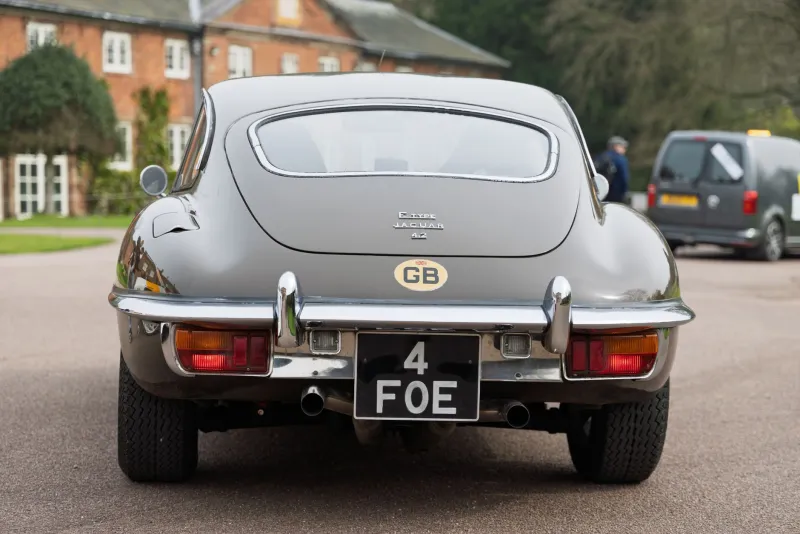
I had a sulking Laycock on a 4.2 last month. The dash switch clicked, the revs stayed put, and the car carried on as if overdrive had never been on the options list. What followed was a roadside triage and an afternoon on the ramps. This is the sequence I use, starting with the cheap checks and only going deeper when the evidence demands it.
Start with the switch, not the spanner
The Laycock de Normanville unit is a hydraulic overdrive. It uses oil pressure to move a cone clutch, and it needs a clean electrical signal to the solenoid before any of that can happen. On an E-Type the circuit usually runs through the dash switch, a relay, a fuse and at least one inhibit switch so the overdrive cannot engage in the wrong gear. Before you crawl underneath, make sure the switch is doing more than making a satisfying click.
With the ignition on and the engine off, operate the switch and listen. A healthy relay should give a faint click from the bulkhead area. If there is nothing, check the fuse and the relay first. These are old cars with old connectors, and a corroded terminal can mimic a failed solenoid perfectly. A multimeter and a wiring diagram are worth more here than a new unit.
Roadside checks: the solenoid and the oil level
If the relay clicks but the overdrive does not, the next stop is the solenoid. It lives on the side of the overdrive unit and is easy to reach once the car is safely raised. With the ignition on, have someone operate the switch while you listen at the solenoid. You want a decisive click, not a vague buzz. If it is silent, check for voltage at the solenoid connector. If voltage is present and the solenoid does not move, the solenoid is suspect. If voltage is missing, the fault is upstream: switch, relay, inhibit switch or wiring.
Do not overlook the gearbox oil. The overdrive shares its oil supply with the gearbox, and a low level can stop it engaging without any electrical fault at all. Check the level properly, with the car level, and look at the condition of the oil. Black, burnt-smelling oil is a warning sign. So is a metallic shimmer. Neither is solved by a new solenoid.
On the ramps: filter, pressure and the honest verdict
Once the car is on the ramps, the real diagnosis begins. The overdrive has a filter and a pressure relief valve, and both can affect engagement. A clogged filter can starve the unit of oil; a stuck relief valve can drop pressure. If you are confident with the spanners, remove the filter, clean it and inspect the magnets for debris. Fine sludge is normal on an old unit. Chunks of metal are not.
The definitive test is oil pressure. A pressure gauge plumbed into the overdrive test port will tell you whether the unit is making enough pressure to clamp the cone clutch. If the solenoid clicks, the oil level is correct, the filter is clean and the pressure is low, the problem is inside the unit. At that point the conversation changes from diagnostics to gearbox removal.
Know when to stop fiddling
There is a point where enthusiasm becomes expensive. If the overdrive is noisy, if it slips under load, if the oil is full of metal, or if a pressure test confirms low internal pressure, stop. A Laycock unit is not a DIY rebuild for most owners. It needs clean assembly, correct end float and a proper understanding of the hydraulic circuit. Saving for specialist work is cheaper than buying a second-hand unit of unknown history and repeating the whole exercise.
The good news is that most sulking overdrives are electrical or oil-related. A dirty connection, a tired relay, a clogged filter or a low oil level will account for a surprising number of failures. Work through the sequence logically, keep notes, and resist the urge to order parts before you have evidence. The Coventry Spanner approach is not glamorous, but it keeps the car on the road and the bank balance intact.
A final word on test drives
Once you have fixed the fault, test the overdrive properly. Find a quiet A-road or dual carriageway, get up to a steady speed in top, and engage it gently. You should feel a small drop in revs and a corresponding rise in speed for the same throttle. Disengage it and the revs should return. If it engages with a bang or slips, stop and recheck the oil and pressure. A Laycock unit that is treated gently and fed clean oil will usually repay the favour. One that is ignored will sulk. And a sulking Laycock, as any E-Type owner knows, has a talent for making a simple journey feel like a very long one.