The Petrol Perfume Problem: A Cold-Nose Hunt for E-Type Fuel Weeps

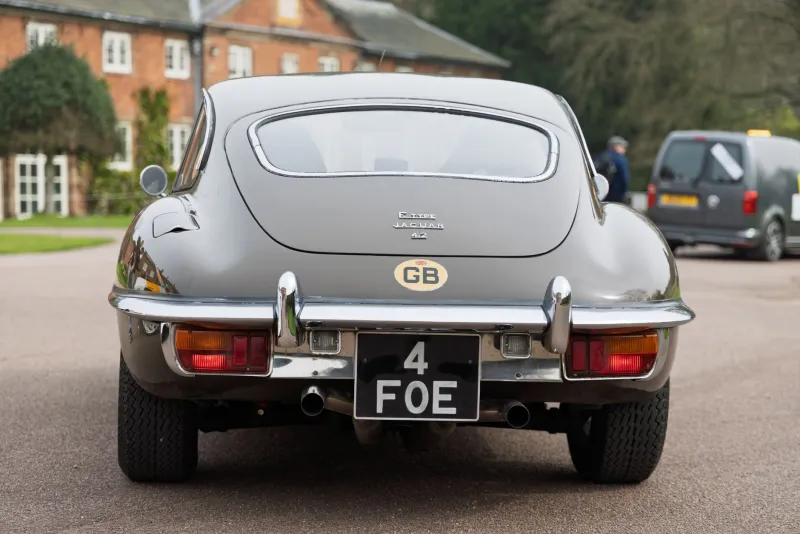
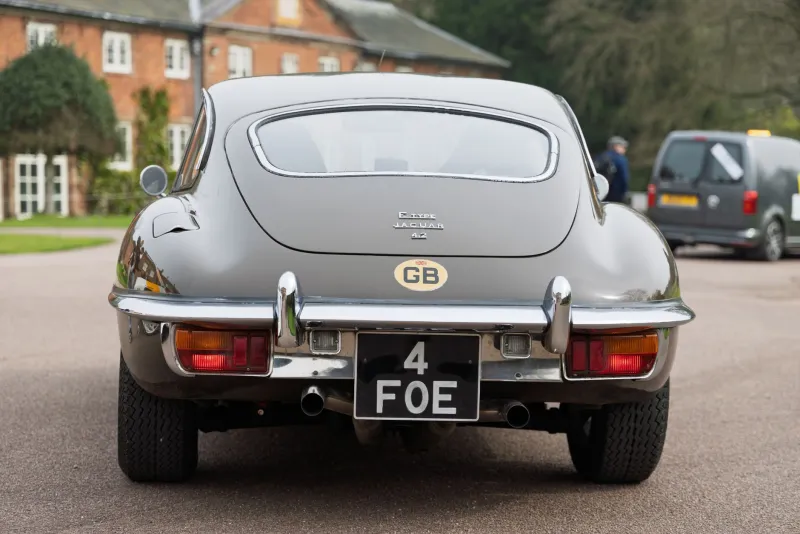
Photo: Alexander Migl, CC BY-SA 4.0, via Wikimedia Commons
There are smells you learn to forgive in an old Jaguar. Hot oil, slightly rich exhaust, the faint whiff of leather and old carpet — all part of the furniture. Raw petrol is different. It’s sharp, it lingers, and it doesn’t belong in the cabin, the boot or the engine bay of a car you actually like.
A fuel smell on a Series 1 or 2 E-Type can be anything from a slightly loose banjo washer to a perished filler hose that’s been quietly weeping into the boot carpet. The trick is not to panic, not to start randomly tightening things, and not to assume the worst. Work through it cold, methodically, and let your nose do the first round of diagnostics.
Start cold, start safe
Do this with the engine stone cold and the car outside or in a well-ventilated space. Petrol vapour is heavier than air and happy to pool in a garage floor. No smoking, no naked flames, no angle grinder nearby, and ideally no domestic boiler pilot light in the same building. Have a dry powder or foam extinguisher within reach, disconnect the battery, and keep a torch and a rag handy. If the smell is strong enough to make your eyes water, stop and ventilate before you go poking about.
The first question is simple: is it raw fuel or is it exhaust? Rich running gives you a heavy, slightly sweet exhaust smell and sooty plugs. A raw petrol pong is sharper, often stronger near a specific corner of the car, and it hangs around after the engine is off. That distinction matters. One is a tuning issue; the other is a leak.
The boot is the first place I’d look
On these cars the boot carries the tank, the filler neck, the breather arrangements and the pump. Lift the boot floor and have a proper look, not a polite glance. Old sound deadening and carpet can hold a stain like a confession. Run your fingers — gloved, please — around the filler neck hose and its clips. Perished rubber here is a classic culprit, especially if the car has been laid up. Check the tank seam and the sender area for damp patches, and look at the pump and its unions. A boot-mounted pump can weep from a tired washer or a cracked hose without leaving a dramatic puddle.
Breather pipes deserve special attention. They’re often brittle, hidden and forgotten. A split breather can make the car smell of fuel after a fill-up or when the tank is full and the car is parked nose-up on a slope. Don’t just replace the obvious hose; follow the run and check the clips and the little stub connections.
Under the bonnet: unions, floats and overflow pipes
With the engine cold, look around the carburettors and the fuel line unions. The banjo fittings on S.U. float chambers use soft washers that can harden and weep. A faint damp ring around a banjo or a fuel-stained carburettor body is a clue. Check the float chamber lids and the overflow pipes. If fuel is dribbling from an overflow, that’s not a cosmetic leak — it points to a sticking float valve or a float that’s lost its buoyancy. Fix that before you drive anywhere.
Also check the fuel filter bowl, if fitted, and any flexible hose in the engine bay. Modern ethanol-blended petrol is harder on older rubber than the stuff these cars were designed for. If the hose is rock-hard, cracked or marked ‘not for fuel injection’, bin it and fit ethanol-resistant hose. New clips, correctly sized, are cheap insurance.
What the smell is telling you
A faint fuel whiff when the car is hot and the bonnet is up, with no visible dampness, can sometimes be a hot-engine effect — a little vapour from a vent or a slightly rich mixture. But a smell that returns every time you park, or leaves a stain, or makes the boot smell like a petrol station, is a leak. Don’t normalise it. E-Types are charming, but they are also made of steel, old wiring and a fuel system that deserves respect.
If you find a weep at a tank seam, a corroded hard line or a union that won’t seal after a new washer, stop. Don’t bodge it with sealant and hope. Petrol finds a way. A proper repair now is cheaper than a fire extinguisher later.
A simple parts-and-tools checklist
- Torch and an inspection mirror
- Spanner set, screwdrivers and small pliers
- Nitrile gloves and a clean rag or two
- Small catch tray
- Fire extinguisher
- Assorted copper and fibre washers for banjo unions
- Ethanol-resistant fuel hose, correct internal diameter
- New fuel hose clips
- Filler neck hose and breather hose if original
- Fuel pump overhaul kit or replacement washers, as needed
- A notebook — write down what you find and what you changed
Work from the tank forwards: boot, filler, breathers, pump, line, filter, carbs. Dry everything off, run the car briefly, then recheck cold. A leak that leaves a fresh damp patch is telling you exactly where to look. And if you can’t find it, don’t keep driving on hope. A petrol smell is not a quirk of old-car ownership; it’s a warning.