Pump Politics: Keeping an E-Type Happy on 2026 UK Petrol

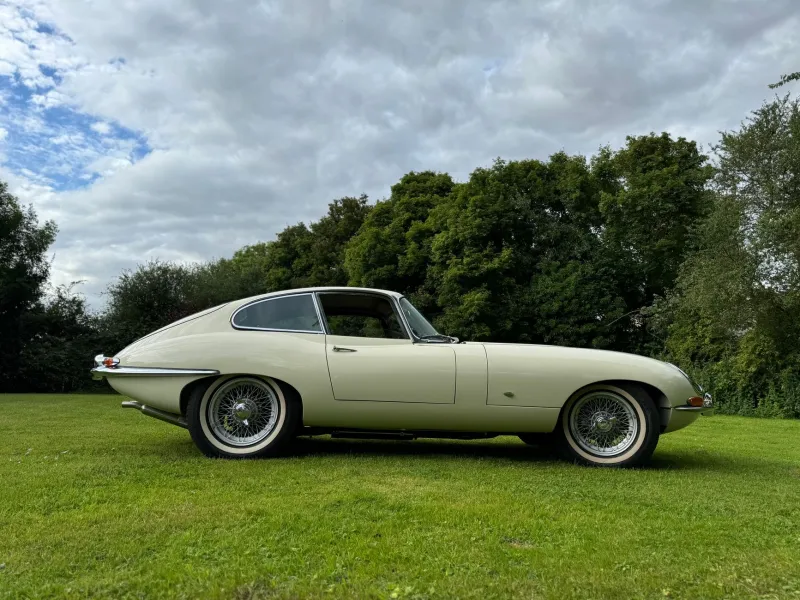
Photo: Ermell, CC BY-SA 4.0, via Wikimedia Commons
There is a particular smell that comes off an E-Type's engine bay after a run: hot oil, warm coolant and a faint whiff of petrol. On a well-sorted car it is part of the charm. On a car that has been sitting and sipping modern UK fuel, that whiff deserves a closer look. Since E10 became the standard grade at British forecourts, the question of what pump petrol is doing to older fuel systems has grown louder than a straight-six on open pipes. Some of the worry is justified. Some of it belongs in the same bin as the bloke who insists you must run leaded fuel and re-torque the head every fortnight.
The short version: E10 is not a death sentence
An E-Type is not suddenly going to dissolve because you put E10 in it. Thousands of classics are driven on it every year. Ethanol is not new, either. It has been blended into UK petrol for years, and E10 arrived as the standard grade back in 2021. The practical issue is not one dramatic failure. It is gradual attack on parts that were never specified for high-ethanol fuel: older rubber hose, some carburettor seals, cork washers, certain fuel-pump diaphragms and any exposed brass or aluminium that is left wet with ethanol-laced fuel.
Ethanol also absorbs water. That is useful in a laboratory and less useful in a fuel tank that breathes with the seasons. Water in the fuel can encourage corrosion and make the car run poorly. E5 super unleaded has less ethanol, which is why many owners use it for winter lay-ups or cars that sit for long periods. For a regularly driven E-Type, E10 is workable if the fuel system is in good order. The key phrase is 'in good order'.
Hoses first, always
The first place to look is the fuel hose. Original-style rubber may look fine on the outside while going soft or cracked inside. Ethanol-resistant hose is marked accordingly, and for a classic you want reputable SAE J30 R9 or R14 spec, or a known ethanol-compatible brand from a proper classic supplier. Do not buy anonymous hose off a auction site because it was cheap and black. Fuel hose is not a place for false economy.
Work from the tank forward. On an E-Type that means checking the hose at the tank outlet, around the fuel pump, through the filter area and into the carburettor feed. Bend each hose gently and look for perishing, weeping or a stiff, glazed feel. Check the clips as well. Worm-drive clips can bite into soft hose; proper fuel-injection-style clips are kinder and more secure. Replace hoses as a set if they are of unknown age. Five years is a sensible service life for a driven car, less if it lives outside or sits with fuel in it for months.
S.U. carbs and the seals that quietly age
S.U. carburettors are simple, but they are not immune to fuel chemistry. The jet bearing seals, float-chamber needle valves and any O-rings or washers in the rebuild kit need to be ethanol-compatible. A good quality rebuild kit from a known SU specialist is money well spent. Cheap seals can swell, harden or go tacky, and then you are chasing mixture problems that look like ignition trouble.
While you are in there, check the float chambers for sediment and the needle valves for grooving. If the car has been standing, drain the float chambers rather than letting old fuel varnish set. A weak mixture or a rich one can both masquerade as fuel trouble. Do not start twiddling carb settings until you have confirmed clean fuel, good hoses and no air leaks.
Fuel pump internals and hot-start manners
An E-Type's fuel pump works hard and is often ignored until it clicks its last. Modern fuel can leave deposits in the pump's points and can attack older diaphragm material. If your pump is noisy, lazy or inconsistent, inspect it. A rebuild with ethanol-compatible components is cheaper than a roadside recovery. Fit an inline filter before the pump if you do not already have one, and change it regularly.
Hot starting is where fuel volatility and engine-bay heat meet. If the car cranks forever when warm, do not assume the carburettors are at fault. Check fuel-line routing away from exhaust heat, the condition of the non-return valve, the heat shield around the carbs and the state of the ignition system. Modern petrol can percolate more readily in a hot engine bay, especially if the fuel line is run close to a heat source or the carburettors are missing their shields. A simple heat-sleeve on the feed line and a correctly fitted shield can transform warm starts.
A sensible inspection routine
Once a month, or before a long run, do a five-minute fuel-system walk-round. With the car cold, smell for petrol in the boot and engine bay. Look under the pump and carburettors for staining. Squeeze the accessible hoses gently - if they feel hard, soft or sticky, investigate. Check the filter for debris. Start the car and watch for weeping at joints. After a run, let it idle for a minute and sniff again. Keep a small notebook of what you find; patterns matter more than one-off smells.
Once a year, get under the car and inspect the full hose run properly. Replace anything of unknown age. Check the tank breather and filler neck hoses too, not just the pressure side. If you are laying the car up, fill the tank to reduce air space and add a fuel stabiliser if you trust the brand. Come spring, do not assume the old fuel is fine just because it starts.
Buying parts without the panic premium
You do not need a shelf of mysterious additives. You need ethanol-rated hose, good clips, quality carburettor seals, a clean filter and a fuel pump that has been refreshed with compatible parts. Buy from established UK classic suppliers who can tell you what the material is and who stand behind it. Ask whether the hose is E10-compatible and whether the carb kit uses modern elastomers. If the answer is a shrug, shop elsewhere.
E5 has its place, especially for cars that sit. But an E-Type that is driven, maintained and checked regularly can live happily on 2026 pump fuel. Treat the fuel system as a service item rather than a museum piece, keep your nose and eyes alert, and the six will keep singing. The pump politics can stay at the forecourt, where they belong.