Sill Games: How to Spot the E-Type Rust That’s Hiding in Plain Sight
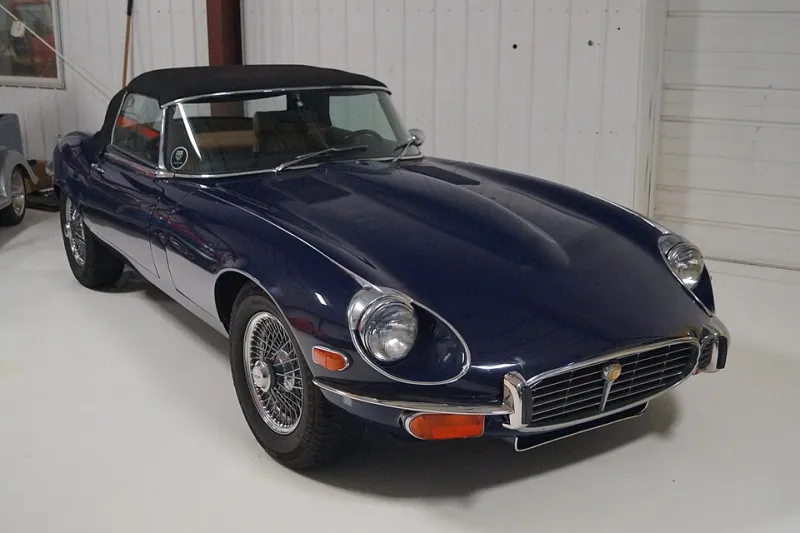
Photo: Greg Gjerdingen from Willmar, USA, CC BY 2.0, via Wikimedia Commons
Buying an E-Type is an exercise in optimism. The seller says the car is solid. The paint looks decent. The MOT is fresh. Then you crawl underneath, put a magnet on the inner sill and hear the sound of your budget being sucked into a vortex. In the UK, 'solid' is not a description. It is a negotiation.
Why E-Type Rust Is a Magic Trick
The E-Type is a monocoque, and that means the structure is often hidden behind cosmetic panels. Outer sill covers, chrome trims, under seal, carpet, sound deadening and a fresh coat of underseal can all conspire to make a rotten car look presentable. The outer skin you see is not always the structural sill. The inner sill, the membrane and the floor edges do the load-bearing work, and they are exactly where damp and salt gather.
British conditions are brutal. A damp garage is a slow cooker for steel. Salted roads in winter spray brine into every crevice, and once it is in, it stays in. A car that lived near the coast or did years of winter commuting can look fine on top and be quietly dissolving underneath.
Start With the Inner Sills, Not the Shiny Bits
Ignore the shiny rocker cover and the nice chrome for a moment. Get the car on ramps or a lift and look at the sills. The outer sill cover can be replaced relatively cheaply. The inner sill is structural. Use a borescope through the drain holes or through any access holes behind the trim. Look for flaking metal, orange dust and damp sound deadening. Tap gently along the sill with your knuckles or a blunt screwdriver handle. A crisp ring is good. A dull thud is not.
A magnet is useful, but you need to understand what it is telling you. A strong pull suggests steel. A weak pull on a lower panel often means body filler over a repair or a replacement panel. It will not tell you whether the steel behind the filler is sound. That is why a magnet and a borescope are a team, not a solo act.
Floors, Bulkhead and Rear Cage Mounts
The floor pans are obvious rot spots, but look at the edges where they meet the transmission tunnel and the inner sills. Check the driver's and passenger footwells from underneath, not just through the carpet. The bulkhead is another favourite. Look around the battery tray area, the pedal box and the firewall. Water runs down, sits in the seams and starts work from the inside out.
The rear cage mounts are the ones that separate a project from a sculpture. These mounts carry the rear suspension and differential, and they live in an area that collects mud and moisture. If they are soft, the car has a structural problem, not a cosmetic one. While you are there, check the radius arm mounts and the boot floor. Fresh underseal over these areas is not a repair. It is camouflage.
Tools That Earn Their Keep
You do not need a garage full of diagnostic kit. A magnet, a cheap borescope, a blunt screwdriver, an inspection lamp, a mirror and a set of ramps will tell you most of what you need to know. A moisture meter can be useful on carpets and sound deadening, but your eyes and fingers are the primary tools. Do not stab someone else's car with a sharp probe without permission. Ask first, then be gentle.
Look for evidence of recent cover-ups: fresh underseal on one sill only, overspray on the brake pipes, silicone around the floor bungs, new sill covers with old inner sills behind them. Receipts for structural work are good, but they need to match what you can see. A fresh MOT is not a structural survey. Historic vehicles are MOT-exempt in the UK, but that does not make a soft bulkhead safe.
When 'Solid Project' Is a Structural Money Pit
A project E-Type can be a wonderful thing. A structural money pit is not. If the inner sills, floors, bulkhead and rear cage mounts are all gone, you are not buying a car. You are buying a jigsaw with a V5C. Replacement panels are available from the usual UK specialists, but the labour is where the money disappears. A car that needs cosmetic fettling is one thing. A car that needs its spine rebuilt is another.
Be honest about your skills and your workshop. If you can weld, have space and enjoy a long project, a structural car can make sense at the right price. If you are paying a specialist to do the work, budget carefully and get a proper inspection before you commit. The cheapest E-Type is rarely the cheapest E-Type.
The Five-Minute Check
Take a magnet and a borescope. Check the inner sills through the drain holes. Tap the floors and bulkhead. Look at the rear cage mounts and radius arm mounts. Ask what the underseal is hiding. Get underneath the car in daylight, not in a dim garage. If the seller will not let you inspect it properly, walk away. There are other cars, and some of them are actually solid.