Stone Chips Are Honest: The Case for a Scruffy, Driven E-Type
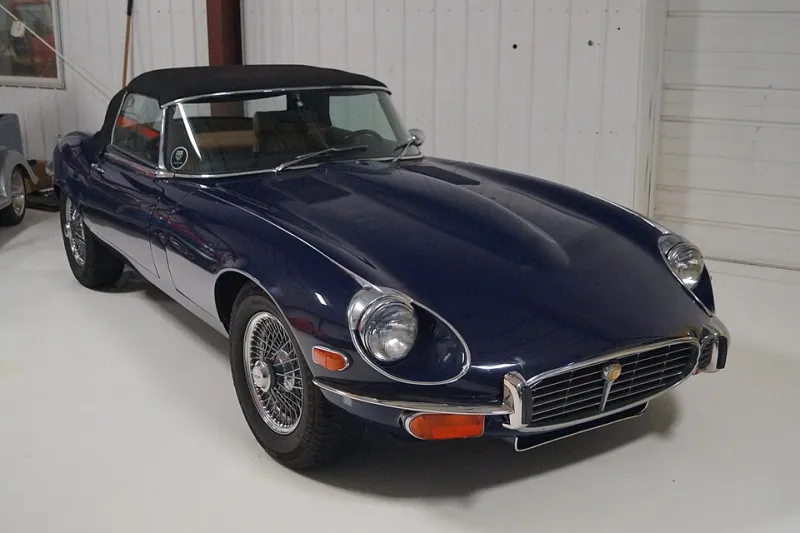
Stone chips are honest. That is the phrase that rattles around my head every time I see a perfect E-Type roped off at a show, its owner circling it with a detailing brush like a nervous sheepdog. I understand the appeal of a flawless car. I have stood on the concours lawn at the NEC and admired the depth of a freshly painted bonnet as much as anyone. But the older I get, and the more grease I get under my fingernails, the more I think the show-condition obsession has quietly stolen something from the hobby.
The Pull of the Concours Lawn
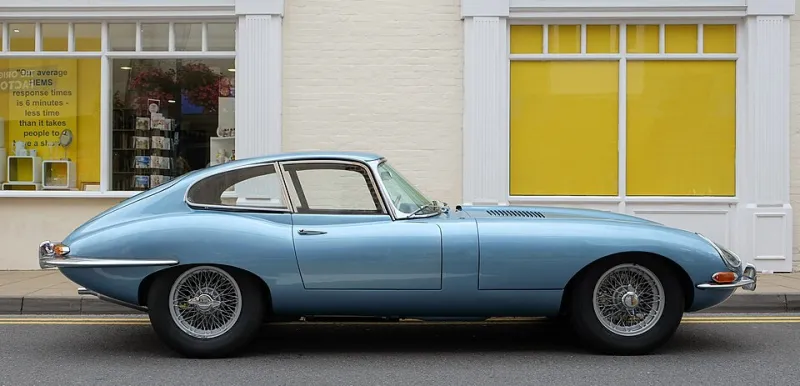
UK concours culture is a serious business. Jaguar clubs, marque specialists and dedicated owners spend years chasing panel gaps that are better than factory, paint that is deeper than original and chrome that has never seen a British winter. There is real skill in that. There is also a trap. A car that is too precious to drive becomes a piece of furniture with a chassis number. It gets trailered to events, unloaded onto grass, polished, judged and taken home. The E-Type was not designed for that life. It was designed for the A40, the Cotswolds, a Welsh mountain road and the sort of Sunday morning when the roof is down and the heater is merely a rumour.
I am not against nice cars. I am against the idea that every classic must become a museum piece. A concours car is a snapshot of one moment. A driven car is a record of many.
Patina Is Not Neglect
The important distinction is this: patina is not rust. Patina is the honest wear that comes from use. It is the small stone chip on the nose, the dulled chrome on the door handle, the faint scuff on the sill where a passenger has climbed in with muddy boots for thirty years. It is evidence that the car has been somewhere and done something. Rust is different. Rust is the result of damp, salt and neglect. Rust is structural. Rust is the thing that turns a charming old car into a welding project.
That distinction matters because the patina argument is often misused. I have heard sellers describe a bubbling sill as 'patina' and a soft floor as 'character'. That is not patina. That is a car dissolving quietly in a damp garage. The Coventry Spanner position is simple: keep the history, but do not let the rot win.
The Scruffy Car Gets Driven
There is a practical freedom in a car that is not perfect. You can park it at Tesco without circling the car park for twenty minutes. You can take it out in September when the forecast is uncertain. You can let a friend sit in it without issuing a pre-flight briefing about shoes and belts. A scruffy E-Type gets used, and a used E-Type is a healthier E-Type. Cars dislike standing still. Seals dry out, brakes seize, fuel goes stale and damp finds its way into every cavity you cannot see.
The value argument is not as clear-cut as the concours crowd suggests. Yes, a perfect car can command a premium. But there is a growing appetite among UK buyers for honest, usable classics. People want cars they can drive to a Jaguar Enthusiasts' Club meet, not just look at. An agreed-value insurance policy on a scruffy driver is often easier to live with than the paranoia that comes with a show car.
Keeping the Warts Without Welcoming the Rot
Preserving patina is not doing nothing. It is active maintenance with a lighter touch. Wash the car with a pH-neutral shampoo and dry it properly, especially around the shut lines, the boot channels and the sill drains. Keep a decent wax on the paint. Wax the chrome rather than attacking it with abrasive polish every weekend; you want to preserve the surface, not erase it. If a stone chip has exposed bare metal, seal it with a small dab of clear lacquer or a touch-in stick to stop corrosion starting.
Then get underneath. Clear the sill drains, the bulkhead drains and the boot floor drains. Check the inner sills, floors and rear cage mounts for softness. Keep the garage ventilated, or use a dehumidifier if the car lives in a sealed damp box. Cavity wax is your friend in the sills, the rear wheel arches and the hidden box sections. Use the car, but rinse the underside after a salted-road run. Patina can stay. Rust gets evicted.
The Verdict
I will keep my stone chips. I will keep the scuffed chrome and the slightly tired paint. I will also keep a blunt screwdriver, a magnet and a borescope handy, because sentiment is no substitute for structure. The E-Type is not a sculpture. It is a car. Let it look like one.
A perfect car tells you what the restorer could do. A scruffy, driven car tells you what the owner did. I know which story I would rather read.