First-Timer in the Passenger Seat: A Gentle E-Type Introduction
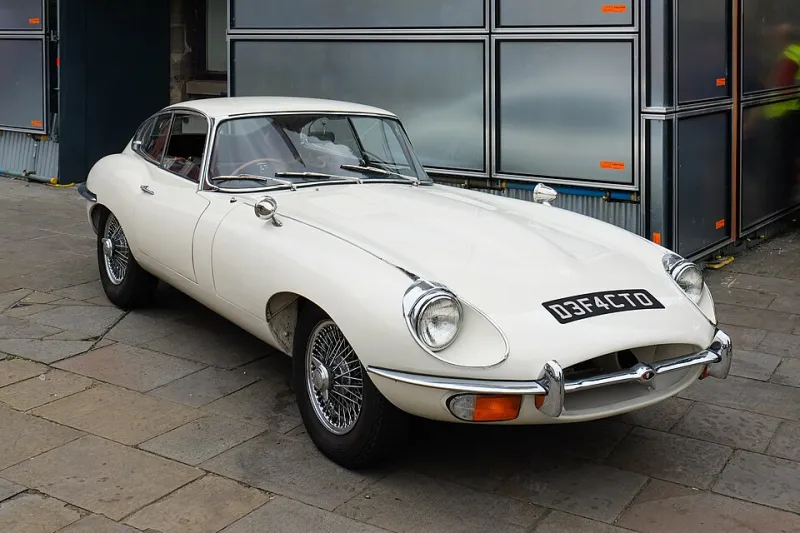
Photo: DeFacto, CC BY-SA 4.0, via Wikimedia Commons
There is a moment, before a first-time passenger gets into an E-Type, when you can either make them fall in love with the car or convince them that classic ownership is a form of self-harm. The difference is usually not the car. It is the briefing.
A nervous passenger is not being difficult. They are being sensible. The E-Type is low, loud, hot and full of smells that no modern car has. The door handles are in odd places. The seatbelts are not like the ones in their hatchback. If you spring all of that on them at once, they will spend the whole drive bracing themselves and you will spend the whole drive apologising.
The Briefing Starts Before the Door Opens
Start with the good bits. Tell them the car is old, but it is maintained. Tell them you have checked the fluids, the tyres and the brakes. Tell them where you are going and roughly how long it will take. Do not make jokes about breakdowns before they have even sat down. Save the gallows humour for later, when they have decided they trust you.
Explain that the car will be noisier, hotter and smellier than they expect. Explain that you will be driving a little more gently than usual. That is not a weakness; it is good hosting.
Doors, Handles and the Small Dignities
Show them how the door opens before you expect them to do it. The E-Type’s handle is not difficult, but it is not obvious either. Let them get in at their own pace. Do not slam the door for them unless they ask. A gentle push until it clicks is better than a theatrical shove.
Once they are in, show them the seat adjustment and the seatbelt routing. If your car has inertia belts, make sure they know how they work. If it has static belts, help them adjust the length. A passenger who is pinned in wrongly will not relax.
Belts, Seats and the Heat Question
The E-Type cabin gets warm. The engine is close, the transmission tunnel has its own ideas about temperature, and the heater can be generous. Warn them about this before they dress for a winter walk. Layers are good. A bottle of water is good. A passenger who is quietly overheating will not enjoy the drive.
Ask about seat comfort. The passenger seat is not always the most supportive, and a bad back will ruin the experience. A small cushion or a folded towel can make a real difference. Do not be too proud to use one.
Noise, Smell and the Honest Breakdown Chat
Classic cars make noises. Some are normal, some are not, and a first-time passenger cannot tell the difference. Tell them which noises are just the car being itself: the whine of the gearbox, the clatter of the engine, the rattle of a loose trim piece. Then tell them what would actually worry you.
Be honest about breakdown expectations. You do not need to be gloomy, but you should have a plan. A charged phone, breakdown cover and a rough idea of what to do if the car stops are all part of being a good classic owner. If your passenger knows there is a plan, they will relax.
The Handbrake Etiquette
Here is the big one. A nervous passenger may grab for the handbrake. It happens. Do not shout. Explain before you set off that the handbrake is your job, and that grabbing it while the car is moving is dangerous. If they are really nervous, you can move the handbrake out of their reach or cover it, but the conversation is better than the surprise.
The same goes for the steering wheel. Make it clear that you are happy to answer questions, but not while you are negotiating a tight bend. A calm passenger is a quiet passenger.
A Route That Flatters the Car
Choose a route that suits the car. A gentle B-road with some scenery and a pub stop is much better than a motorway thrash or a tight multi-storey car park. Give the passenger time to look around. Let them enjoy the view over the bonnet. Stop for a cup of tea. The E-Type is a social car; use that.
After the Drive
Ask them what they thought. Listen to the answer. If they loved it, great. If they did not, do not take it personally. Not everyone wants to smell hot oil and listen to a straight-six at speed. The important thing is that they got out feeling safe and looked after.
An E-Type is a wonderful thing to share. A little briefing, a sensible route and a bit of empathy will turn a nervous first-timer into a willing passenger. And who knows, they might even ask to go again.